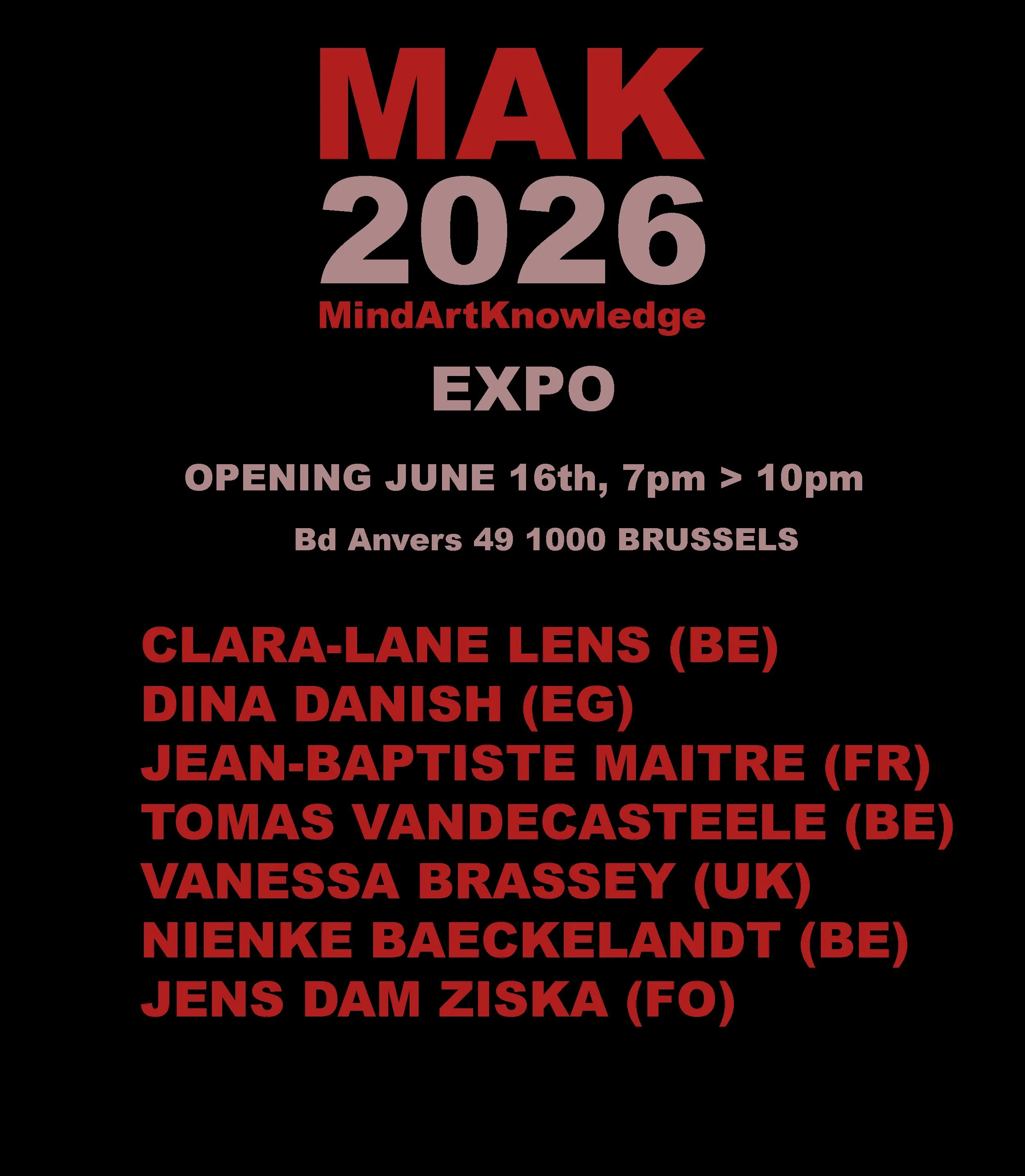
KEYNOTES
-
![Jacopo Frascaroli]()
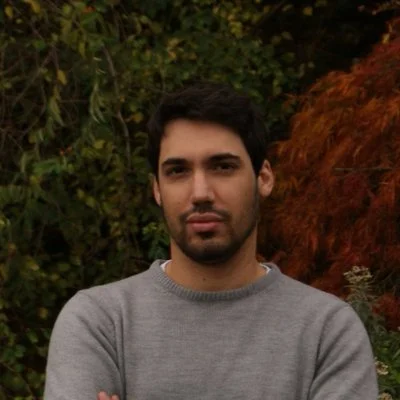
Jacopo Frascaroli: "The Arts and the Drive for Knowledge"
This presentation examines how psychological and neuroscientific research connects epistemic emotions—such as curiosity, wonder, and surprise—to exploratory behaviour in the arts and aesthetic experience. It highlights how artistic engagement stimulates the human drive for knowledge, linking aesthetic experience to broader processes of understanding and meaning-making.
KVAB JUNE 15th: 13.10 > 14.00
-
![Sander Van de Cruys]()
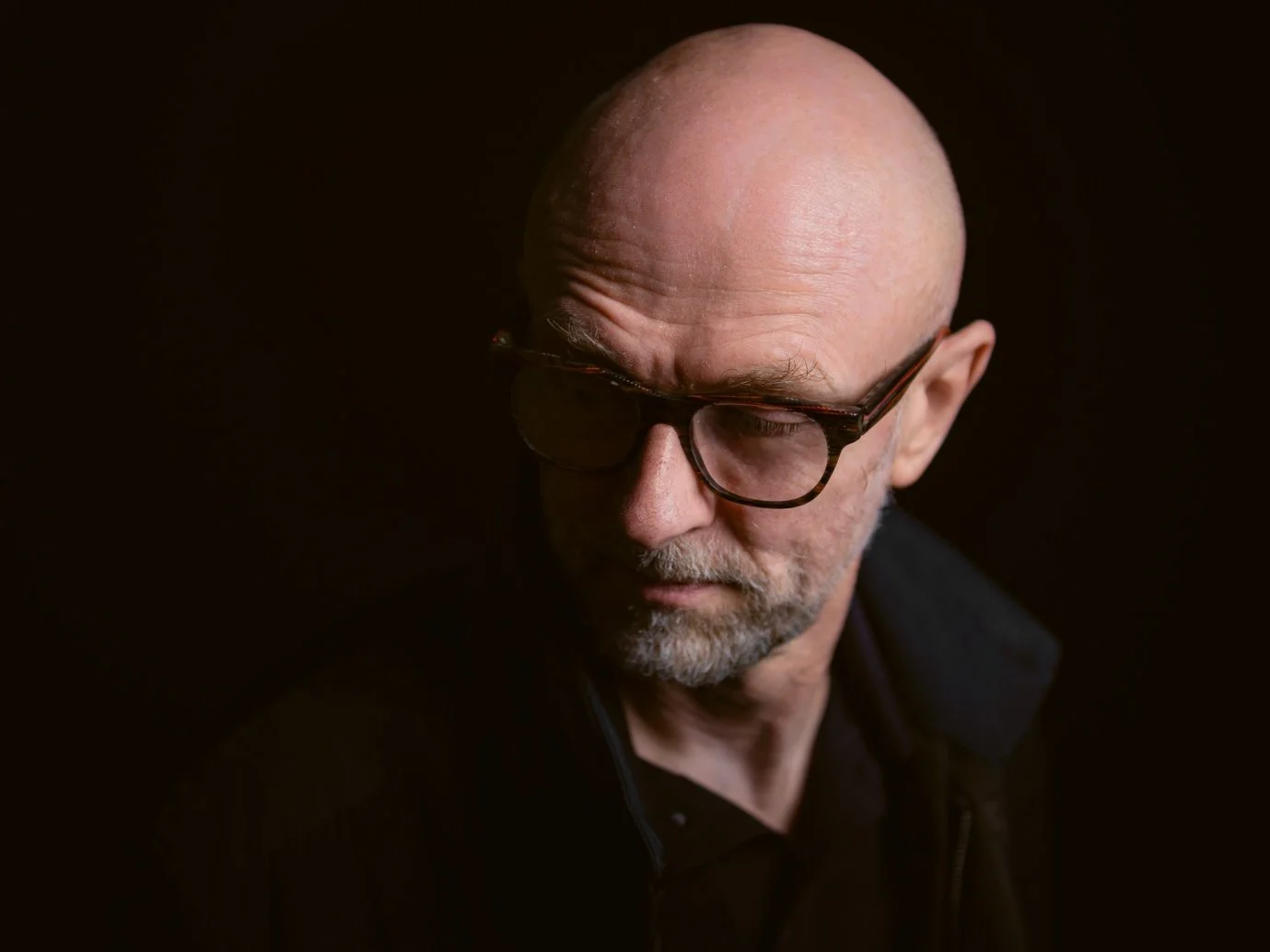
Sander Van de Cruys: "Why Knowing Feels Like Beauty: An Empowerment Perspective"
Abstract: A well-fed gerbil digs for buried food it could have for free. It seeks the obstacle rather than the free lunch. A three-month-old infant grins, not at the mobile that moves, but at the discovery that its own kicking made it move. Those infants also look longer at stimuli with intermediate unpredictability—the goldilocks effect— where there's still learnable uncertainty. This is what life does: it finds its own just-right challenges as stepping stones for expanding its action radius, its freedom. In this talk, I argue that the drive to know and the experience of beauty are not distinct faculties, but expressions of that single imperative: the expansion of controllable possibility. In computational cognitive science, this idea is known as empowerment (Polani), which quantifies how many distinguishably different futures an agent can create through its actions. I propose that affective experience tracks empowerment gains (and losses). The pleasure of an "aha!" is the subjective signal of a sudden increase in predictive and causal grip, boosting our sense of agency. In this view, art, like play, is the epistemic arc pursued for its own sake: empowerment-seeking freed from instrumental necessity. This perspective helps explain why the best art works impart a distinct sense of renewed freedom.
KVAB JUNE 15th: 15.30 > 16.20
-
![]()
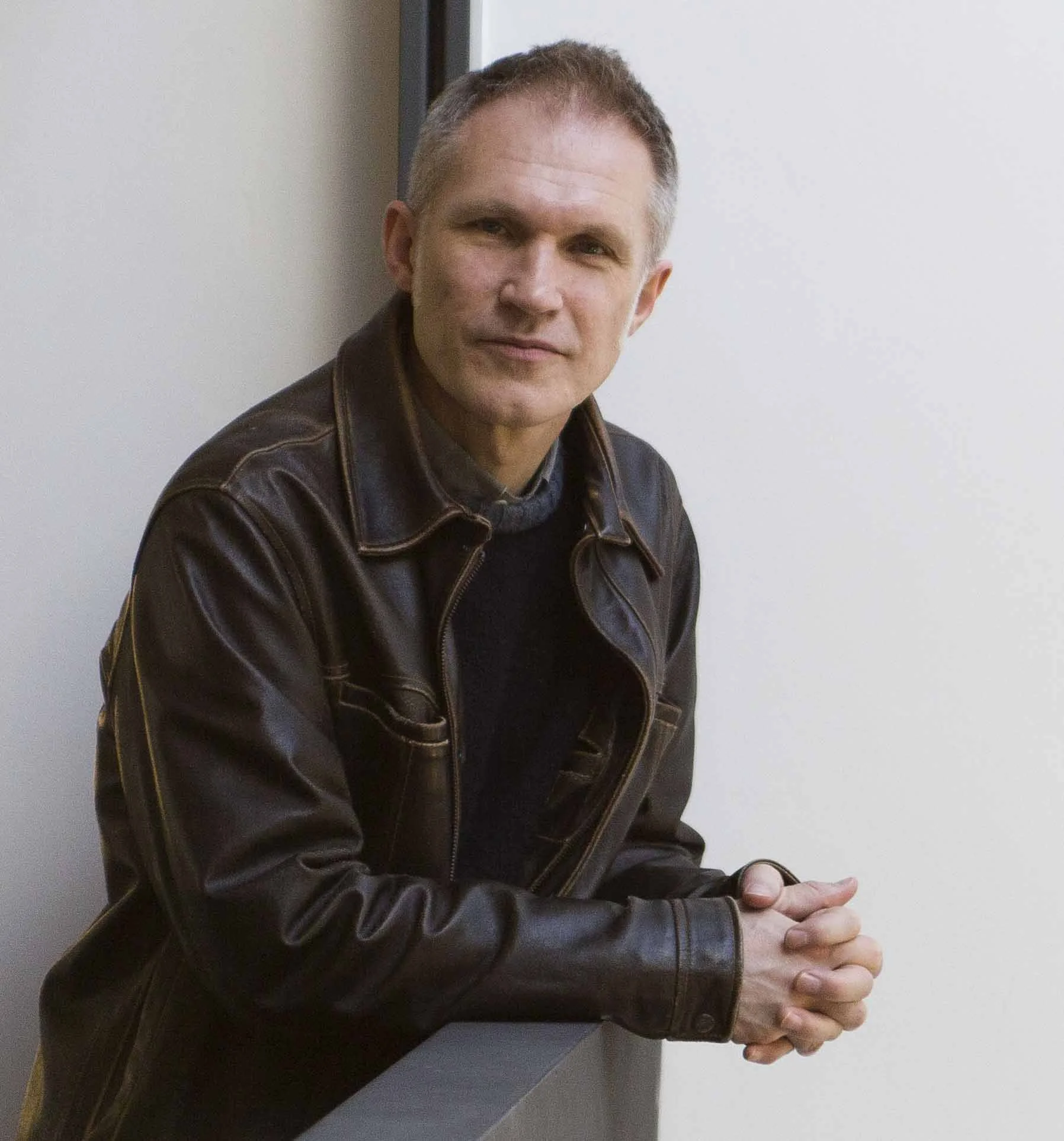
Christopher EARLEY: Understanding, Art, and the Activity of Philosophy
Many people think that art delivers us philosophical insights. In this presentation, I will advance a novel way to articulate this idea. I propose that artists and audiences often seem to be interested in coming to better understand broad topics and subject matters. This requires them to see the connections between their commitments and to wield them to improve their epistemic standing. Philosophers call this holistic, active kind of epistemic achievement ‘objectual understanding.’ However, I argue that audiences can’t just acquire understanding from art; rather, art encourages them to understand the world for themselves. I argue that this gives us a new way to see how art can be philosophical. I claim that the epistemic goal of philosophy is not just to learn other people’s theories, but to get others to engage in the activity of reasoning for themselves to improve their objectual understanding of philosophical topics. Given art’s capacity to encourage active inquiry, we should assess its philosophical value not by its ability to convey theories to us, but rather its ability to get us to engage in the activity of philosophising.
KVAB JUNE 15th: 17.25 > 18.15
-
![]()
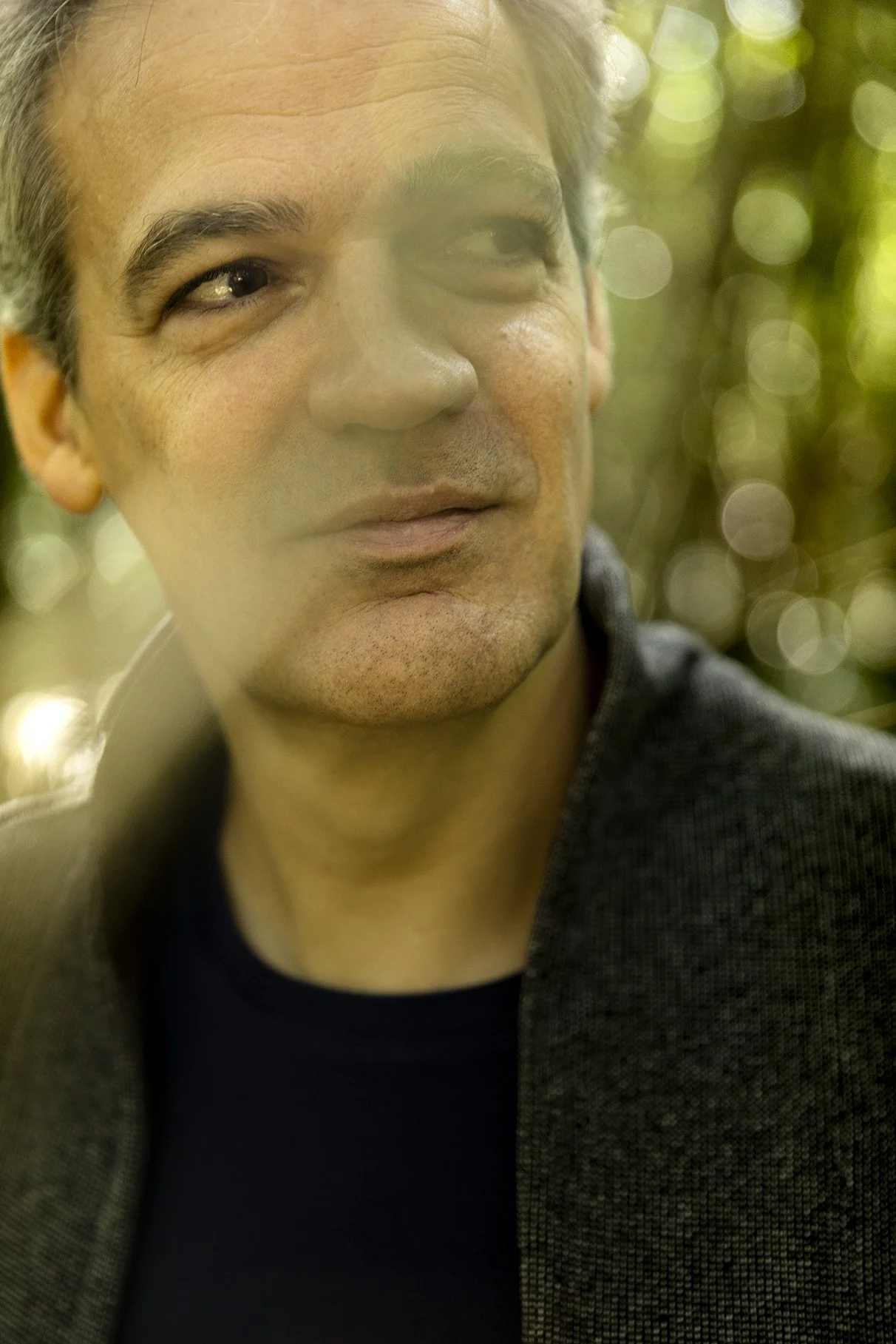
Marc Leman: "Studying the expressive dimension in art and science"
In this talk, I first argue that music can be understood in terms of brain/body (embodied) processes that operate in structural and expressive dimensions. These processes are fundamentally dynamic in the sense that they evolve over time, and that they are driven by interaction with the environment. Moreover, they allow for prediction of future events and for the planning of the narrative. I then go deeper into the expressive dimension, focusing on the concepts of rhythmic entrainment, prediction, and expression. I show how these concepts give us insight in time-critical actions, and how they play a key role in our understanding of the expressive communication in artistic performances. Finally, I argue that the presented framework, although developed in a scientific context, can be (and has been) used as a guide for artistic research. Collaboration among scientists and artists, offers a unique opportunity for novel developments in both art and science.
KVAB JUNE 16th: 9.30 > 10.20
-
![Marina Iosofian]()
Marina Iosifian: "Attending to the Irrelevant: How the Mind Makes Sense of Poetry"
Poetic language differs from everyday communication because it often brings words together in unexpected or even contradictory ways. This talk draws on the aberrant salience account of creativity, which suggests that creative thinking involves noticing and connecting things that might seem unrelated. Poets use different kinds of connections between words—through sound (as in rhyme), meaning, and metaphor. I will explore how these connections shape the way we pay attention and create meaning when reading poetry, showing how poetry reveals the mind’s ability to find coherence in inconsistency.
KVAB JUNE 16th: 11.25 > 12.15
-
![Iris Vidmar Jovanović]()
Iris Vidmar Jovanović: "Learning from art: A subjectivist proposal"
My aim in this presentation is to offer an account of learning from art – or, alternatively, of art’s cognitive value – that seeks to explain how and why art is a valuable and indispensable source of knowledge. I explore this question against two common challenges to aesthetic cognitivism: the one that negates epistemic reliability of art and the one that questions the merits of cognitive gains available through art by disputing the relevant epistemic framework within which we can accommodate them. I start by sketching a proposal of epistemic reliability of art by exploring what I call epistemic situatedness of an artist, showing that the practice of art production is not as distant from scientific production as some anti-cognitivists would have us believe. I then turn to the variety of epistemic gains available in art, in order to explore how cognitive potential of art is realized in individual artistic engagements. Countering anti-cognitivists’ claim that such gains are either banal or too individualist and diverse to count as genuine knowledge, I develop what I call subjectivist account of learning which takes individual spectator’s intellectual needs and aesthetic taste as two crucial factors that determine the actual cognitive impact of particular work of art. While this may seem as quite restrictive, I end by suggesting how my account helps us understand art’s educational value as well as particular aesthetic pleasure we derive from it.
KVAB JUNE 16th: 14.10 > 15.00
-
![]()
Vanessa Brassey: "Is this the right mode for an argument?"
Philosophy has traditionally advanced through words and formal logic. But in this ‘age of the image’, can or should arguments be made iconically, and if so, when might this be preferable? A familiar criticism is that arguments in this mode are oversimplified and ambiguous. But does this confuse philosophy as entertainment with philosophy as argument? A current BSA-funded project explores these questions by combining novel philosophical research, basic video-making practices, and genuine curiosity, all held together by an attitude of ‘loving attention’, following Murdoch, to test how moving image can improve and communicate philosophical insight.
Philosophy on Film is generously funded by a BSA Small Grant Award.
KVAB JUNE 16th: 16.30 > 17.20
-
![]()
Murray SMITH: Reflective equilibrium, character engagement, and moral understanding
In this talk, I'll aim to i) discuss the relevance of 'reflective equilibrium' (as developed by Nelson Goodman, John Rawls, and Catherine Elgin) to our appreciation of films (and art) in general, and then ii) drill down into the application of that idea to our engagement with characters, and the moral dimension thereof. This discussion will serve to set up some reflections on interdisciplinary enquiry, focussing on how the argument on reflective equilibrium, character, and moral understanding as it stands might be enriched and advanced by drawing on empirical and experimental methods.
CINEMATEK JUNE 17th: 10.00 > 10.50
-
![]()
Elisabeth Schellekens: "The Noetic Theory of Aesthetic Experience and the Epistemic Value of Exploration"
“In this paper, I begin by outlining the main tenets of the noetic theory of aesthetic experience and develop the claim that such experience is best conceived as an explorative thought-process; a seeking-to-understand. I then identify the main epistemic benefits which can be seen to arise from exploration in general in empirical terms, focusing especially on the notion of conceptual mapping and mental navigation. Finally, I connect these epistemic benefits to the aesthetic case, and formulate some of the questions driving the next phase of research.”
CINEMATEK JUNE 17th: 13.00 > 13.50
-
![]()
PIeter Schuermans: Compositional Thinking Between Pattern and Chaos
This lecture explores composition as a continuous negotiation between recognisability and unpredictability. Central to this process is the creation of perceptible patterns and expectation structures, alongside the deliberate confirmation, disruption, suspension, or gradual transformation of those expectations. Chaos is therefore approached not as the absence of structure, but as a condition emerging from the increasing complexity, density, or instability of relational patterns.
Drawing from the author’s own compositional practice, the lecture discusses how multilayered temporal processes create a tension between perceptual clarity and a more enigmatic, challenging, yet potentially rewarding listening experience. Repetition, temporal displacement, proportional relationships, and prime-number-based organisational principles function here as means through which recognisability can gradually shift, intensify, or disintegrate, without entirely removing the listener’s perceptual foothold.
Particular attention is given to the concept of metapulse: an expanded unit of musical time functioning, within the hierarchical organisation of musical temporality, as a hinge point between physical experience and cognitive structuring. Metapulse connects the bodily and almost archetypal force of rhythmic energy with the analytical grasping of larger musical trajectories and relational structures. Within this framework, compositional thinking emerges as a dynamic interplay of intuition, embodied experience, and structural strategy.
CINEMATEK JUNE 17th: 15.10 > 16.00